قارورہ شناسی
Urine Diagnosis
💧 मूत्र परीक्षण
قارورہ کیا ہے؟
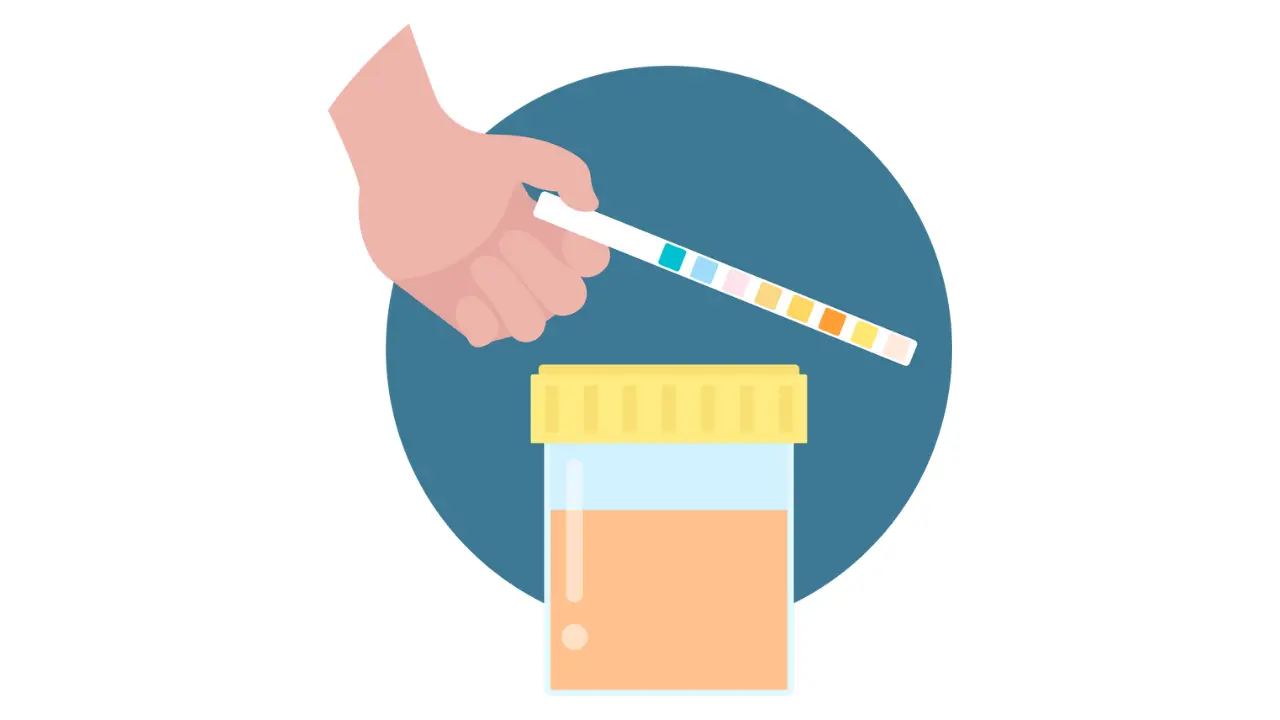
• قارورہ (پیشاب) — جسم سے خارج ہونے والا مائع جس کی رنگت، قوام، جھاگ، مقدار، رسوب اور بُو طبی تشخیص کا ذریعہ بنتے ہیں۔
• رنگت — پیشاب کا ظاہری رنگ، اعضاء اور اخلاط کی کیفیت کا اشارہ۔
• قوام — پیشاب کی جسمانی حیثیت؛ پتلا، گاڑھا، رقیق یا جھاگ دار ہونا۔
• جھاگ — پیشاب کی سطح پر بننے والے بلبلے، بعض حالات میں علامتی ہوتے ہیں۔
• مقدار — پیشاب کا زیادہ، کم یا معتدل ہونا؛ اعضاء اور قوتِ دافعہ کی حالت بتاتا ہے۔
• رسوب (تلچھٹ) — پیشاب کے اندر معین یا غلیظ مادّے جو تیرتے، معلق یا نیچے بیٹھے نظر آتے ہیں؛ بیماری یا نضج کی علامت ہو سکتے ہیں۔
• تحریک — مفرد عضو (اعصاب، عضلات، غدد) کی غیر معمولی کارکردگی (تیزی/کمزوری)۔
• تسکین/تحلیل/نضج — طبی اصطلاحات جو اعضاء کی حالت اور اخلاط کے میرے ہونے یا پختگی کی طرف اشارہ کرتی ہیں۔
تشخیص میں دیکھنے والی بنیادی چیزیں
• پیشاب کی رنگت
• قوام (جسمی حیثیت)
• جھاگ
• مقدار
• رسوب (تلچھٹ، تہہ نشین مواد)
• بُو
---
رنگت (تفصیلی تشریح اور استدلال)
سفید قارورہ
• اقسام: پانی جیسا / انڈے کی سفیدی جیسا / دودھ جیسا / منی جیسا
• پانی جیسا — اعصابی تحریک، غدد میں تحلیل، عضلات میں شدید تسکین؛ شدید حرارت کی کمی۔
• انڈے کی سفیدی جیسا — گردے کی شدید سوزش۔
• دودھ جیسا — اعضاء اصلیہ کے پگھلنے کی وجہ سے۔
• منی جیسا — بلغمی بخاروں میں بحران کے اوقات میں، قوام گاڑھا۔
• سفید پیشاب کے اہم اسباب: حرارت کا دماغ کی طرف صعود، بلغم کی زیادتی (قوام گاڑھا)، چربی کے پگھلنے، پیشاب نالی کا زخم، خام رطوبت کی زیادتی، بلغمی بخار کا بحران، ضعفِ جگر، سدہ، سوءِ مزاجِ سرد، ذیابیطیس حقیقی۔
سرخ قارورہ
• اقسام: اصہب (پیازی) / وردی (گلابی) / احمرقانی (سرخ-سیاہی مائل) / احمرقتم (سیاہی مائل سرخ)
• اصہب، وردی — غلبہ خون کی علامت (اکثر بے ضرر)
• احمرقانی، احمرقتم — سوداء یا سوداوی کیفیت کی طرف اشارہ (عضلاتی/سوداوی تحریک)
• سرخ پیشاب کے عموم وجوہات: شدید درد (مثلاً قولنج)، نالیوں میں سدہ، تسکینِ جگر (گوشت کے دھوون جیسا رنگ)، گردہ کی سوزش۔
زرد رنگت
• زرد — غدی تحریک کی علامت
• زرد + سرخی — غدی + عضلاتی تحریک
• زرد + ہلکی سفیدی — غدی + اعصابی تحریک
نارنجی رنگت (پیلا + سرخ)
• سرخی غالب → عضلاتی غدی تحریک
• پیلا غالب → غدی عضلاتی تحریک
ارغوانی رنگت (سرخ + نیلا)
• سرخی زیادہ → عضلاتی اعصابی تحریک
• نیلا یا سیاہی زیادہ → اعصابی عضلاتی تحریک
سبز رنگت (نیلا + پیلا)
• زردی زیادہ → غدی اعصابی تحریک
• نیلا زیادہ → اعصابی غدی تحریک
سیاہ رنگ
• سوداویت کی علامت؛ عضلاتی اعصابی تحریک ظاہر کرتا ہے
---
رنگت کے ملاپوں کی تشریح (مختصر)
• سفید میں ہلکی نیلاہٹ → اعصابی + عضلاتی تحریک
• سفید میں ہلکی زردی → اعصابی + غدی تحریک
• سرخ میں ہلکی سیاہی → عضلاتی + اعصابی تحریک
• سرخ میں ہلکی زردی → عضلاتی + غدی تحریک
---
مقدار (بول سے تشخیص)
• کثیر المقدار — معتدل سے زیادہ پیشاب؛ خون میں بلغم کی زیادتی، غدد میں تحلیل؛ اعصابی تحریک کی نشاندہی (ذیابیطیس حقیقی میں بھی عام)۔
• قلیل المقدار — معتدل سے کم؛ قوتِ دافعہ کمزور، آلاتِ بول کی قوتِ جاذبہ بڑھ گئی، یا مادّہ دوسری جگہوں (پسینہ، اسہال، استسقاء) میں جا چکا۔
• معتدل مقدار — صحت کی علامت۔
**اہم نکتہ:** عضلات پیشاب بناتے ہیں، غدد اسے صاف کرتے ہیں، اعصاب اسے خارج کرتے ہیں۔
• عضلات کی تحریک سے پیشاب بند یا کم ہو جاتا ہے۔
• اعصاب کی تحریک سے پیشاب زیادہ آتا ہے۔
• غدد کی تحریک سے پیشاب معمولی مقدار میں آتا ہے (بہت بار بار تھوڑا تھوڑا)۔
---
رسوب (تلچھٹ) — تفصیل اور اقسام
مفهوم: رسوب وہ غلیظ مادّہ ہے جو پیشاب میں ممتاز دکھائی دے؛ یہ کبھی اوپر تیرتا، کبھی درمیان معلق اور معمول میں نیچے بیٹھا ہوتا ہے۔ طبیعت اس میں تصرف کر کے اسے پکاتی ہے اور بعض اوقات خون بنانے کے عمل میں یہ حصہ بنتا ہے۔
اقسام:
• طبعی رسوب — سفید/سرخ/زرد، جلد پھیل جاتا ہے اور پھر تہہ نشین ہو جاتا ہے؛ عمومًا نضج یا شفا کی علامت۔
• غیر طبعی رسوب — وہ رسوب جن میں طبعی اوصاف نہ ہوں؛ طبیعت کے معمول کے مطابق نہ ہوں؛ بری علامت بھی ہو سکتی ہے۔
طبعی رسوب کی تشخیص میں دیکھنے والی چیزیں:
• جرم رسوب (مقدار)
• کمی یا بیشی
• غلیظ یا رقیق ہونا
• رنگ
• مقام (اوپر/درمیان/نیچے)
• ظاہر ہونے کا وقت
• پانی میں حل ہونے کی صلاحیت
غیر طبعی رسوب — اقسام اور معانی:
• خراطی — چھلکوں نما؛ مزید اقسام: خراط سفید (مثانہ کے چھلکے/خارش)، خراط سرخ (گردوں کے چھلنے، جگر و غدد کا احتراق)، خراط نیلا (اعضاء اصلیہ کے خراش)
• نخالی — سبوسِ گندم جیسا؛ مثانہ کی خارش کی علامت
• سویقی — ستو نما؛ گوشت کے گلنے/ارادے سے نکلنے والی مادّہ
• کرسنی — سرخ سیاہی مائل؛ جگر و گردہ میں احتراق
• لحمی — جگر و غدد سے؛ احتراق کی نشانی
• دسمی — چربی نما؛ اعضاء کے تحلیل ہونے کی علامت
• مدی — پیپ جیسا؛ ورم کے پختہ ہونے کی علامت
• مخاطی — رینٹھ جیسا؛ بلغم کی زیادتی
• شعری — بال کی مانند باریک؛ گردہ سے آنے والی علامت
• رملی — ریت جیسا (سفید و سرخ)؛ گردہ کی پتھری
• رمادی — خاکستری / خاکستر نما؛ عموماً بلغم یا پیپ
• دموی — خون والا رسوب؛ مجاری بول میں زخم کی علامت
• خمیری — خمیر کے ٹکڑوں نما؛ ضعفِ معدہ، ناقص ہضم
**رسوب کا مقام اور معنی:**
• رسوب غمام (سطح پر تیرتا) — حرارت کی کمی، ریاح کی کثرت
• رسوب معلق (درمیان میں) — نضج کی کمی
• رسوب راسب (تہہ نشین) — نضجِ کامل (لیکن غیر طبعی راسب بری علامت بھی ہو سکتی ہے)
---
پاخانہ (براز) کے رنگ اور اس کی تشریح
• سفید براز — اعصابی + عضلاتی تحریک
• سبز براز — اعصابی + غدی تحریک
• زرد سفیدی مائل — غدی + اعصابی تحریک
• زرد سرخی مائل — غدی + عضلاتی تحریک
• سرخ زردی مائل — عضلاتی + غدی تحریک
• سرخ سیاہی مائل — عضلاتی + اعصابی تحریک
---
اصولِ علاج (Treatment Principles — عملی رہنما)
• تشخیص پہلے: مریض کی نبض اور قارورہ بغور دیکھیں، معلوم کریں تحریک کہاں ہے (اعصاب/عضلات/غدد) اور کون سا مفرد عضو متاثر ہے۔
• مفرد عضو کے افعال جانچیں: وہ کہاں تک صحیح کام کر رہا ہے؟ اگر افعال کمزور ہوں تو ان کو پہلے تیز کریں۔
• علاج کا بنیادی قانون: ماہیت مرض کو دیکھیں — یہی شفا کا قانون ہے۔ ایک مخصوص فارمولا یا نمبر (نہ ایک، نہ دو، نہ تین، نہ چار) نہیں؛ اصل تو مرض کی ماہیت اور اس کی جگہ ہے۔
جب کسی مفرد عضو کی کارکردگی کمزور ہو تو:
• اعصاب متاثر ہوں تو رطوبات میں اضافہ کر کے ان کی فعالیت بڑھائیں۔
• عضلات متاثر ہوں تو دورانِ خون اور حرارت بڑھائیں (بخار یا گرم اقدامات) تاکہ عضلاتی افعال بحال ہوں۔
• غدد متاثر ہوں تو ایسی چیزیں دیں جو حرارت اور صفراء کو مناسب طریقے سے چلائیں۔
علاج کا مرحلہ وار اثر:
• مفرد عضو جب درست کام کرنے لگے گا تو اس کا اثر دیگر اعضاء پر پڑے گا۔
• جہاں تسکین ہے وہاں پر شدید تحریک پیدا کر کے پورے افعال مکمل کروائیں، تب دورانِ خون، حرارت اور رطوبتیں جسم میں مطلوبہ جگہوں پر پہنچ کر نیا خون اور کیمیاوی اجزاء بنائیں گی۔
• نتیجہ: اعضاء کے نئے خلیات بننا شروع ہوں گے اور شفا حاصل ہوگی۔
فوری نوٹس برائے مشاہدہ (Quick clinical cues)
• سفید رنگت عام طور پر اعصابی یا بلغم پر اشارہ کرتی ہے؛ قوام اور اضافی رنگی شیڈز (نیلا یا زرد) ملا کر شمولیت بتائیں گے۔
• سرخ رنگت عضلاتی/خونی عمل کی طرف اشارہ کرتی ہے؛ سیاہی یا زردی کے امتزاج سے محرک کی نوعیت معلوم ہوتی ہے۔
• رسوب کی نوعیت (خراطی، سویقی، رملی وغیرہ) اکثر عضؤ مرض کو خاص طور پر بتا دیتی ہے (مثلاً پتھری، پیپ، پیپ دار ورم، عضوی تحلیل وغیرہ)۔
• ہر تشخیصی نشان کو نبض اور مریض کی عمومی حالت کے ساتھ ملا کر دیکھیں — پیشاب کا ایک پہلو اکیلا فیصلہ کن نہیں ہوتا۔
Urine Diagnosis — Complete, Organized and Easy Guide
Below is a faithful English translation of the full Urdu text you posted. I translated every section and keyword so nothing is missed. I kept the original ordering and meaning as closely as possible.
Definitions
• Qaroorah (Urine) — The fluid excreted from the body whose color, consistency, foam, quantity, sediment and smell serve as diagnostic signs.
• Color — The visible shade of urine; indicates the state of organs and humors.
• Consistency — The physical nature of urine: thin, thick, watery or foamy.
• Foam — Bubbles that form on the surface of urine; in some cases they are significant signs.
• Quantity — Whether urine is excessive, deficient or moderate; reflects organ function and immune/excretory status.
• Sediment — Distinct or viscous material within urine that floats, remains suspended or settles; may indicate disease or maturation.
• Stimulation — Abnormal activity (increased speed or intensity) of a single organ system (nerves, muscles, glands).
• Relaxation / Dissolution / Maturation — Clinical terms referring to the state of organs and the ripening or breakdown of humors or substances.
Main things examined for diagnosis
• Color of urine
• Consistency (physical state)
• Foam
• Quantity
• Sediment (deposit)
• Smell
Color — detailed explanation and rationale
White urine
• Types: water-like / egg-white-like / milky / semen-like
• Water-like — indicates nervous stimulation, glandular dissolution and extreme relaxation of muscles; occurs with a severe loss of heat.
• Egg-white-like — seen in severe inflammation of the kidney.
• Milky — results from liquefaction or dissolution of the internal organs.
• Semen-like — appears during crisis phases of phlegmatic fevers; consistency is thick.
• Ten causes of white urine:
• Ascension of heat toward the brain (seen in patients with delirium or altered sensorium).
• Excess phlegm — produces white, often thick urine (commonly seen in stroke patients).
• Melting of fat (adipose dissolution) — seen in wasting diseases or sometimes with renal swelling.
• Wound of the urinary tract — white urine with local pain at the wound site.
• Excess raw humors (undigested fluids).
• Crisis of phlegmatic fevers — white, semen-like thick urine.
• Liver weakness — white but thin urine.
• Stasis/obstruction — white and thin urine.
• Mal-temperament cold — water-like white urine.
• True diabetes (diabetes mellitus) — can produce white urine.
Red (reddish) urine
• Forms: as’hab (onion-colored) / wardi (rosy/pink) / ahmarqani (reddish with blackish tinge) / ahmarqitm (blackish-red)
• As’hab (onion-colored) — indicates predominance of blood.
• Wardi (rosy/pink) — also indicates blood predominance; often not pathological.
• Ahmarqani (reddish-blackish) — suggests increasing black-bile (soda) in the blood.
• Ahmarqitm (blackish-red) — blackish-red hue pointing toward black-bile predominance.
Note: all four of the above forms generally indicate muscular (soda/black-bile) stimulation.
• Common causes of red urine:
• Severe pain (as in colic).
• Stasis/obstruction in the urinary passages.
• Liver derangement (in which urine can take a “meat-wash” reddish appearance).
• Kidney inflammation.
Quantity — diagnosis from urine volume
• Excessive amount — urine greater than normal; suggests excess phlegm in the blood and glandular dissolution; also seen in true diabetes. (Indicates nervous stimulation.)
• Decreased amount — urine less than normal; suggests weakened defensive power of the body, increased attracting power of urinary organs, or redirection of fluids elsewhere (sweating, diarrhea, edema).
• Moderate amount — neither too much nor too little; sign of health.
Important point: muscles produce urine, glands purify/clear it, and nerves expel it.
• Muscular stimulation may reduce urine production (urine may be held).
• Nervous stimulation increases urine output.
• Glandular stimulation tends to produce small, frequent amounts.
Sediment (Deposits) — details and types
Definition: Sediment is the viscous or distinct material in urine that stands out by its nature; it may float at the top, remain suspended in the middle, or settle at the bottom. In health the sediment is usually settled at the bottom; nature “cooks” or processes substances and what remains is called sediment. Sometimes these sediments are acted upon by the body and participate in blood formation.
Two broad categories:
• Natural (physiological) sediment — white, settles at the bottom; components cling together but when agitated they disperse quickly and then re-settle. White is best, followed by red or yellow — these often appear after maturation and indicate recovery.
• Abnormal (pathological) sediment — lacks properties of natural sediment; may indicate disease.
Seven features to note in any sediment: weight/amount, scarcity or excess, viscous or watery, color, location, time of appearance, solubility in water.
Thirteen kinds of abnormal sediment and their meanings:
• Lamellar / flaky (Kharrati) — resembles scales; subtypes:
• White lamellae — like the inner membrane of an egg; these flakes in urine indicate sloughing of bladder lining or bladder irritation.
• Red lamellae — red flakes; indicate shedding of kidney tissue and burning in liver and glands.
• Blue lamellae — bluish flakes from abrasion of internal organs.
• Bran-like (Nikhali) — coarse, white, bran-like; indicates bladder itching (parasites/irritation).
• Meal-like (Soweeqi) — resembles coarse ground flour/meal (starchy); indicates dissolution of flesh (meat) as it dries with heat. This suggests melting/decay of organs.
• Crimson/dusky (Kirsani) — reddish-blackish sediment; arises from burning (inflammation) of liver and kidney.
• Fleshy/meaty (Lahmi) — comes from liver and glands; sign of burning there.
• Adipose/fatty (Dismi) — fat-like sediment; sign of organ dissolution.
• Purulent (Madi) — pus-like; indicates matured suppuration (abscess/firm inflammation).
• Mucous (Mukhati) — thick, sticky mucous; indicates excess phlegm.
• Hair-like (Sha’ri) — hairlike, thin strands, partly red and partly white; indicates kidney origin.
• Sandy (Ramli) — sand-like particles (white or red); indicates renal stones.
• Ashy/gray (Ramadi) — ash-colored material; usually phlegm or purulent sediment.
• Bloody (Damawi) — blood-stained sediment; indicates wounds in the urinary tract.
• Yeasty (Khameeri) — yeast-like particles; indicates stomach weakness and poor digestion.
Sediment by position and meaning:
• Surface sediment (Ghamam) — floats on the top of urine; indicates lack of heat (cold) and excess wind (vapors).
• Suspended sediment (Mua’allaq) — floats in the middle; indicates incomplete maturation.
• Settled sediment (Rasib) — sinks to the bottom; indicates full maturation — although if an abnormal sediment settles it is a bad sign.
Color interpretations (additional notes)
• If urine is white — this signals nervous stimulation; the body will have increased fluids and phlegm.
• If the white is tinged slightly bluish — neuromuscular stimulation is indicated.
• If white has a slight yellow tinge — neuro-glandular stimulation is indicated.
Red hue notes:
• Red urine indicates muscular stimulation.
• Body may show increased wind/vapors, black bile (soda) and acidity.
• If red is slightly blackish → neuromuscular stimulation.
• If red is slightly yellowish → muscular + glandular stimulation.
Yellow hue notes:
• Yellow indicates glandular stimulation.
• Yellow with red → glandular + muscular stimulation.
• Yellow with slight white → glandular + nervous stimulation.
Orange hue (yellow + red):
• If red component is greater → muscular + glandular stimulation.
• If yellow predominates → glandular + muscular stimulation.
Purple / violet (red + blue):
• If red component predominates → muscular + nervous stimulation.
• If dark/blue component predominates → nervous + muscular stimulation.
Green (blue + yellow):
• If yellow portion predominates → glandular + nervous stimulation.
• If blue portion predominates → nervous + glandular stimulation.
Black color:
• Indicates black-bile (soda) predominance; shows muscular + nervous stimulation.
Stool (feces) color and interpretation (after urine)
• White stool — indicates nervous + muscular stimulation.
• Green stool — indicates nervous + glandular stimulation.
• Yellow-white stool — glandular + nervous stimulation.
• Yellow-reddish stool — glandular + muscular stimulation.
• Reddish-yellow stool — muscular + glandular stimulation.
• Reddish with blackish tinge — muscular + nervous stimulation.
Principles of treatment — practical guide
• Examine the patient’s pulse and urine carefully to determine where the stimulation is located, and identify the single organ that is stimulated and check how well its functions are working.
• Observe where relaxation or dissolution is present and consider the functions of those specific organs.
• If the stimulated organ(s) are not performing properly, first increase their activity so they can resume full function. For example:
• If the nerves are involved, produce increased humoral fluids (moisture) rapidly.
• If the muscles are involved, increase blood circulation and heat (induce feverish action) quickly.
• If the glands are involved, increase heat and bile (safra) production.
• When a single organ resumes correct function, it will influence other organs positively.
• If a stimulation is performing its full role, intensify it where relaxation exists so it completes its actions — then circulation, heat, spirit and fluids will begin to move appropriately through the body and reach the places of need.
• As a result, new blood and chemical constituents will begin to form and new cells (tissues) in the affected organ(s) will start to regenerate.
For treatment and management, focus on this principle. There is no fixed single “recipe” (not one remedy, not two, not three, not four). Treat according to the nature of the disease — that is the cure, and that is the law of healing.
Quick clinical cues for observation
• White color generally points to nervous issues or phlegm; assess consistency and additional tints (bluish or yellowish) to determine mixed involvement.
• Red color points to muscular / blood processes; mixtures with blackish or yellowish tints refine which systems are involved.
• The type of sediment (lamellar, meal-like, sandy, purulent etc.) often indicates the particular organ involved (for example: stones, pus, suppurative inflammation, tissue dissolution).
• Always interpret every diagnostic sign together with the pulse and the patient’s general condition — a single sign alone in urine is not decisive.
If you want, I can now convert this into a side-by-side Urdu ↔ English table, or produce a one-page quick-reference chart (color → likely stimulation → possible causes → suggested observation). Which format would you prefer next?
💧 मूत्र परीक्षण (Urine Diagnosis) — सम्पूर्ण, व्यवस्थित और आसान मार्गदर्शिका
परिभाषाएँ
क़ारूरा / मूत्र (Urine): शरीर से निकलने वाला द्रव, जिसकी रंग, गाढ़ापन, झाग, मात्रा, तलछट और गंध रोग-निदान में सहायक होती हैं।
रंग (Color): मूत्र का दृश्य रंग; अंगों और रसों (ह्यूमर्स) की स्थिति को बताता है।
गाढ़ापन / स्थिरता (Consistency): मूत्र की भौतिक स्थिति — पतला, गाढ़ा, जल जैसा या झागदार।
झाग (Foam): मूत्र की सतह पर बनने वाले बुलबुले; कई रोगों के लक्षण।
मात्रा (Quantity): मूत्र का अधिक, कम या सामान्य होना; अंगों और उत्सर्जन प्रणाली की कार्य-स्थिति दर्शाता है।
तलछट (Sediment): मूत्र में तैरने या नीचे बैठने वाला पदार्थ; सामान्य या रोगजन्य स्थिति का संकेत।
गंध (Smell): मूत्र की महक या दुर्गंध; कई रोगों का संकेत।
उत्तेजना (Stimulation): किसी अंग (नसें, मांसपेशियाँ, ग्रंथियाँ) की असामान्य गतिविधि।
शिथिलता (Relaxation): जब अंग धीमे या कमजोर हो जाएँ।
अपघटन (Dissolution): अंगों के पदार्थ का गलकर मूत्र से बाहर आना।
परिपक्वता (Maturation/Nuzj): रसों या रोगजन्य पदार्थ का पूरी तरह पकना; अगर न हो तो रोग बना रहता है।
मुख्य अंग (Fundamental Organs):
नसें (Nerves): श्लेष्मा/बलग़म उत्पन्न करती हैं।
मांसपेशियाँ (Muscles): रक्त और ऊष्मा उत्पन्न करती हैं।
ग्रंथियाँ (Glands): पित्त और ऊष्मा उत्पन्न करती हैं।
निदान हेतु मुख्य अवलोकन
मूत्र का रंग
गाढ़ापन (Consistency)
झाग
मात्रा
तलछट (Deposit)
गंध
मूत्र का रंग (Color) — विस्तृत विवेचन
1. सफ़ेद मूत्र
प्रकार: पानी जैसा / अंडे की सफेदी जैसा / दूध जैसा / वीर्य जैसा
पानी जैसा: नसों की उत्तेजना, ग्रंथियों का अपघटन और मांसपेशियों की शिथिलता; ऊष्मा की अत्यधिक कमी में।
अंडे की सफेदी जैसा: गुर्दे की तीव्र सूजन।
दूध जैसा: आंतरिक अंगों का गलना।
वीर्य जैसा: श्लेष्माजन्य ज्वर में संकटकालीन स्थिति; गाढ़ा।
सफ़ेद मूत्र के 10 कारण:
ऊष्मा का मस्तिष्क की ओर चढ़ना (भ्रम, बेहोशी)।
बलग़म की अधिकता (लकवे में आम)।
वसा का गलना (क्षय रोग, गुर्दे की सूजन)।
मूत्रमार्ग की चोट।
अपक्व रसों की अधिकता।
बलग़मी ज्वर का संकट चरण।
यकृत की कमजोरी।
अवरोध।
शीत प्रकृति।
असली मधुमेह।
2. लाल मूत्र
प्रकार:
असहब (प्याज़ रंग): रक्त की प्रधानता।
वर्दी (गुलाबी): रक्त की प्रधानता, सामान्य भी।
अहमरकानी (लाल-काला): श्याम-पित्त (सौदा) की वृद्धि।
अहमरक़ित्म (काला-लाल): काले-पित्त की प्रधानता।
लाल मूत्र के कारण:
तीव्र पीड़ा।
मूत्रमार्ग में अवरोध।
यकृत की खराबी (मांस धोवन जैसा रंग)।
गुर्दे की सूजन।
मात्रा (Quantity)
अधिक मूत्र: बलग़म अधिक, ग्रंथियों का अपघटन, मधुमेह; नसों की उत्तेजना।
कम मूत्र: शरीर की रक्षा-शक्ति कमजोर, उत्सर्जन रुका, पसीना/दस्त/सूजन में द्रव बाहर।
सामान्य मात्रा: स्वास्थ्य का लक्षण।
ध्यान दें:
मांसपेशियाँ मूत्र बनाती हैं।
ग्रंथियाँ उसे शुद्ध करती हैं।
नसें उसे बाहर निकालती हैं।
तलछट (Sediment)
परिभाषा: मूत्र में विशेष पदार्थ जो ऊपर तैरें, बीच में रहें या नीचे बैठें।
दो प्रकार:
प्राकृतिक: सफेद, नीचे बैठता है; स्वास्थ्य या रोग की परिपक्वता का संकेत।
अप्राकृतिक: रोग का लक्षण।
13 रोगजन्य तलछट:
पपड़ीदार (सफेद/लाल/नीला) → गुर्दा/मूत्राशय की समस्या।
चोकर जैसा → मूत्राशय की खुजली/कीड़े।
आटे जैसा → अंगों का गलना।
काला-लाल → यकृत/गुर्दे की जलन।
मांस जैसा → यकृत/ग्रंथियाँ।
वसा जैसा → अंगों का अपघटन।
मवाद जैसा → फोड़ा/पक जाना।
बलग़म जैसा → श्लेष्मा की अधिकता।
बाल जैसा → गुर्दे की खराबी।
रेत जैसा → गुर्दे की पथरी।
राख जैसा → बलग़म या मवाद।
रक्त मिला → मूत्रमार्ग की चोट।
खमीर जैसा → आमाशय की कमजोरी।
स्थिति अनुसार:
ऊपर तैरता → ठंडक/वायु।
बीच में → अधपका रस।
नीचे बैठा → पूर्ण परिपक्वता।
रंगों की चिकित्सकीय व्याख्या
सफ़ेद: नसों की उत्तेजना।
लाल: मांसपेशियों की उत्तेजना।
पीला: ग्रंथियों की उत्तेजना।
नारंगी: लाल + पीला → मांसपेशी + ग्रंथि।
बैंगनी: लाल + नीला → मांसपेशी + नस।
हरा: पीला + नीला → ग्रंथि + नस।
काला: श्याम-पित्त प्रधानता → मांसपेशी + नस।
मल (Stool) का रंग
सफ़ेद → नस + मांसपेशी।
हरा → नस + ग्रंथि।
पीला-सफ़ेद → ग्रंथि + नस।
पीला-लाल → ग्रंथि + मांसपेशी।
लाल-पीला → मांसपेशी + ग्रंथि।
लाल-काला → मांसपेशी + नस।
उपचार के सिद्धांत
नाड़ी और मूत्र देखकर पता करें उत्तेजना कहाँ है।
अंगों की शिथिलता या अपघटन देखें।
यदि अंग काम नहीं कर रहा तो उसे सक्रिय करें:
नसें → रसायन/श्लेष्मा बढ़ाएँ।
मांसपेशी → रक्तसंचार और ऊष्मा बढ़ाएँ।
ग्रंथि → पित्त और ऊष्मा बढ़ाएँ।
एक अंग सही हो जाए तो अन्य पर अच्छा प्रभाव पड़ता है।
उत्तेजना को पूरा कराएँ → रक्त, ऊष्मा, रस सही तरह से प्रवाहित होंगे।
नए कोशिकाएँ बनने लगेंगी और रोगग्रस्त अंग ठीक होगा।
नियम: उपचार रोग की प्रकृति अनुसार करें। यही असली इलाज और नियम है।
त्वरित चिकित्सकीय संकेत
सफेद मूत्र = नसें/बलग़म।
लाल मूत्र = मांसपेशी/रक्त।
पीला = ग्रंथियाँ/पित्त।
तलछट का प्रकार = रोगग्रस्त अंग का संकेत (पत्थरी, मवाद, फोड़ा, गलन आदि)।
नाड़ी और रोगी की स्थिति के साथ मिलाकर निदान करें।
Reviews & Comments
Related Encyclopedia
آسان نبض، عضلاتی اثرات اور امورِ طبیعہSi...
آسان نبضسب سے پہلے نبض کی دھڑکن معلوم کریں:(ا) اوپ...
منہ کے ذائقے اور مزاجTaste & Tempera...
منہ کے ذائقے اور مزاجمنہ کا ذائقہ بھی تشخیصی خصوصی...
زبان کی تشخیصTongue Diagnosisजीभ से निदा...
زبان کی تشخیصزبان پر سفید تہہ یا زبان کی سفیدی → ا...
ہاتھ اور پاؤں سے تشخیصDiagnosis from Han...
پہلے ہم نے زبان سے تشخیص امراض پر بات چیت کی تھی،...
ذائقوں سے امراضِ انسانی کی تشخیصDiagnosi...
ذائقوں سے امراضِ انسانی کی تشخیصصبح سویرے زبان کا...